

There’s something deeply powerful about sitting down with a pile of paper, a glue stick, and a blank surface. It may seem simple, even playful, but collage is more than cutting and pasting. It’s storytelling. It’s intuition. It’s healing.
Collage invites you to step into your creative self without pressure, without perfectionism. It’s not about getting it “right.” It’s about listening, to your hands, your heart, your subconscious.
Because every image you choose, every word you tear out, every layer you build is saying something. You might not always know what that “something” is at first. But as the pieces come together, so does the message. Your story unfolds, quietly, honestly, beautifully.
Why Collage Feels Like Telling a Story
When you create a collage, you’re engaging in a visual form of storytelling that speaks beyond words. Here’s how:
-You select your symbols. A feather, a pair of eyes, a broken clock, each one carries a meaning unique to you.
-You trust your instincts. You don’t need to rationalize why you’re drawn to a particular image. Intuition leads the way.
-You layer your emotions. Just like our lives, collage is layered, past over present, texture over flatness, clarity over chaos.
-You make space for the unsaid. Some feelings are too big for language. In collage, they find a home.
Collage becomes a mirror for your internal landscape. It reveals what’s ready to be seen. Sometimes you discover it as you go; sometimes only when you’re finished.
Tools & Materials for Collage Making
Gathering your tools is part of the ritual, laying the foundation for storytelling through layers, textures, and intuition. Here’s a beautifully detailed list of supplies that can spark your collage-making magic.
Essential Tools
These are your basic must-haves to begin crafting with ease:
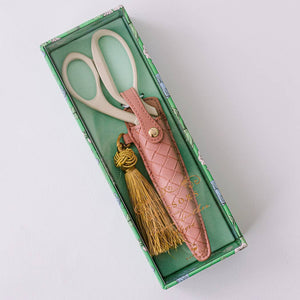
-Scissors – Keep a few types on hand: precision scissors for detail cutting, decorative-edge scissors for texture, and larger shears for quick trims.
-Craft knife or X-Acto knife – Ideal for intricate cuts and clean lines. Use with a self-healing cutting mat for safety.
-Glue stick – Quick and easy to use, especially for thin, lightweight paper and quick layering. Easy to control and mess-free. Choose archival or acid-free glue to prevent yellowing.
-Gel medium or matte medium – A versatile adhesive that works for heavier layers or mixed-media layers; dries clear and flexible. Also doubles as a sealer.
-Paintbrushes or sponge brushes – For applying glue, gesso, or paint smoothly across your surface. Can also use for applying adhesives like Mod Podge or gel medium evenly.
-Metal ruler – For tearing straight lines or guiding craft knives.
-Brayer or old gift card – Helps press down images evenly to flatten layers and remove air bubbles from glued surfaces for a smooth, clean finish.
Substrate (Your Canvas)
This is the base where your collage will live and breathe:
-Mixed media paper or sketchbooks – Thick paper designed to handle wet and dry media.
-Wood panels or cardboard – Sturdy and great for building dimensional pieces.
-Recycled materials – Cereal boxes, old book covers, fabric scraps—anything can become a canvas.
-Art journals – A bound book of exploration and expression, great for layering collage with writing or paint.
Papers & Ephemera (Your Storytelling Pieces)
These are your raw materials... the fragments of life you weave together:
-Old magazines – Glossy images, patterns, and typography. Fashion, travel, and art mags are especially rich sources.
-Vintage books or encyclopedias – Yellowed pages, poetry lines, illustrations, and curious text.
-Newspapers – For gritty textures, headlines, and typefaces.
-Junk mail & packaging – Often overlooked, but filled with usable shapes, logos, and colors.
-Photocopies or prints of personal photos – Great for mixed-media storytelling without sacrificing originals.
-Ephemera – Postcards, handwritten notes, tickets, old maps, currency, playing cards, postage stamps.
-Scrapbook paper – Pre-designed patterns and textures that add visual interest instantly.
Ledger paper, graph paper, sheet music – Subtle textures with nostalgic or academic vibes.
Decorative & Dimensional Elements
These add depth, sparkle, and personal flair:
-Acrylic paint or watercolor – To wash backgrounds, add emotion, or blend paper edges.
-Pens & markers – Micron pens, paint pens, or gel pens for writing, doodling, or outlining.
-Stamps & ink pads – Add motifs or vintage flair. Try alphabet stamps to layer in words or affirmations.
-Stencils – For repeating shapes, textures, or letters.
-Washi tape – Decorative tape in endless patterns and textures.
-Thread, embroidery floss, or yarn – Stitch directly into your collage for texture and symbolism.
-Buttons, beads, sequins, lace – Soft, dimensional elements that bring tactile richness.
-Pressed flowers or leaves – For a natural, organic feel. Seal with care to preserve them.
Surface Prepping & Finishing
Protect and enhance your final piece:
-Gesso – Use as a primer for mixed surfaces or to white out areas before collaging.
-Mod Podge or matte varnish – For sealing and protecting the final piece with either a glossy or matte finish.
-Spray fixative – Helps prevent smudging if you’ve used pastels, pencils, or ink.
Final Tip: Use What You Have
You don’t need every item on this list to start. Some of the most heartfelt, evocative collages are made from scraps lying around the house... an old envelope, a fabric swatch, a handwritten grocery list. Start small, stay curious, and let your materials choose you.
What you’re really collecting isn’t just paper and glue... it’s fragments of meaning. Bits of your story. Moments you’ve lived, felt, dreamed, or are still healing through.
So spread out your tools, turn up the music, and let the storytelling begin one piece at a time.
More stories


